Galeria Municipal do PortoGaleria Municipal do Porto

Programmes
Abril Febril 2026
Abril Febril is a tribute to the fervente atmosphere of April 1974. 
In its third edition at the Concha Acústica dos dos Jardins do Palácio de Cristal, the Galeria Municipal do Porto brings together a series of musical projects that embraces the imaginary that surrounds that era and eplores whats it means today.
 
The programme presentes Carme López's experimental take on Galician folk music; the reinterpretation of Celtic and Transmontane muisc by emmy Curl; the rhythms of the African diáspora by Fidju Kitxora; and the Romani culture and music of La Família Gitana, who explore the possibilities of what can be understood as traditional music.
 

Saturday, 25 April, at 6 pm

Abril Febril: Carme López

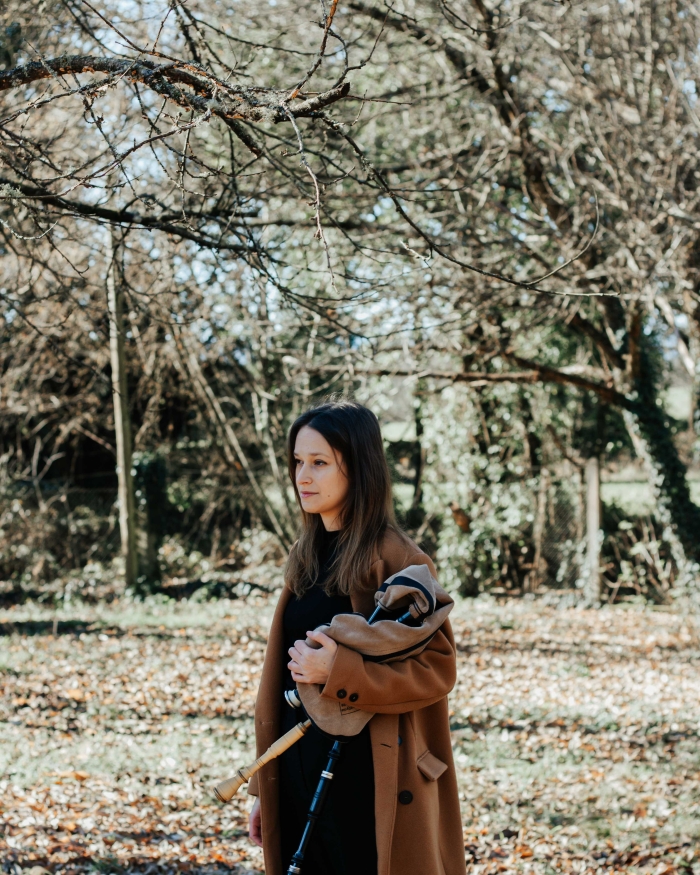
Exploring what constitutes traditional music, the event begins with a performance by Carme López. A Galician artist, she has recently focused her projects on experimenting with new possibilities for the bagpipes, moving away from traditional contexts to create dense and unique soundscapes.

Admission is free.

Originally from Galicia, Carme López is an artist, teacher and researcher of the oral tradition in Galician music. In her most recent projects, she has explored new sonic possibilities for the bagpipe, moving away from traditional contexts to create denser, more experimental soundscapes. Through this approach, she also proposes a critical reflection on the historical associations between the instrument and masculinity, affirming her own artistic language. 
López has been part of musical groups such as Os Minhotos, Raiceira and the Orquestra Folclórica Galega Sondeseu, with whom she released several recordings and won prizes in various traditional music competitions for solo bagpipe, quartet and singing. Her recent releases as a solo artist include Quintela (2024), an experimental record featuring bagpipe, as well as Vinde todas (2024), her first album as Carmela, which brings together past and present to portray the vibrant reality of traditional music in Galicia.

Image: Eva Pombo

Saturday, 25 April, at 7 pm

Abril Febril: emmy Curl

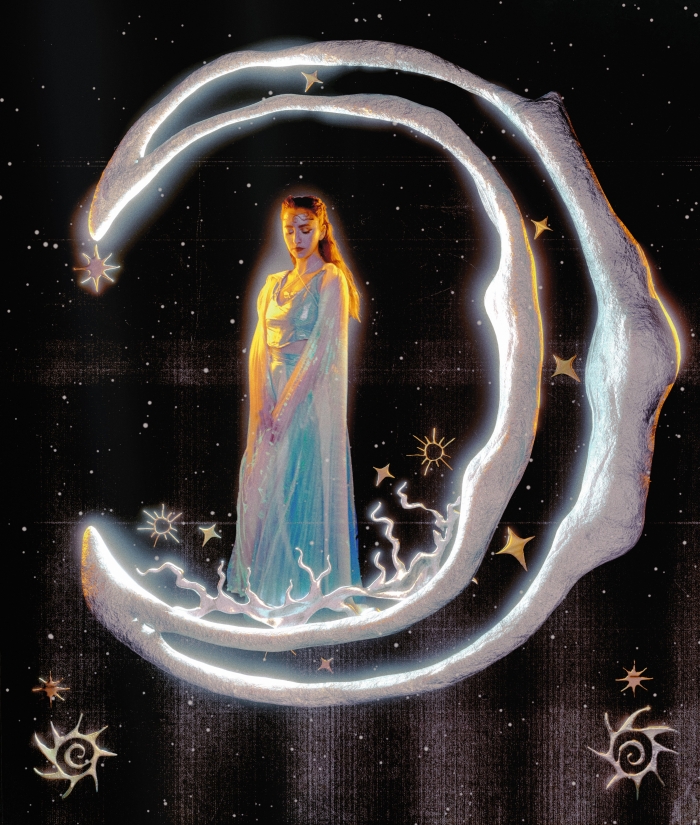
The second performance at Abril Febril is by emmy Curl, who will be presenting her latest album, “Pastoral” – a record that pays tribute to the cultural heritage of Portuguese folklore, a celebration of courage and love in challenging times.

Admission is free.

Born and raised in the highlands of Vila Real, emmy Curl brings to life the ancient melodies of Transmontane and Celtic folklore that have long been forgotten. The artist is dedicated to honouring and preserving Portuguese cultural heritage, weaving her modern sensibility and interpretive style into the complex rhythmic and harmonic layers of these traditions. 
Curl won the 2025 José Afonso Award for her latest release, Pastoral (2024). More than an album, this record is a tribute to the cultural heritage of Portuguese folklore. Celebrating courage and love in difficult times, the album invites listeners and music lovers to lose themselves in and be enveloped by its pastoral atmosphere, which echoes like the voices of the mountains that surround her.

Image: Andreas Sidenius

Saturday, 25 April, at 8 pm

Abril Febril: Fidju Kitxora

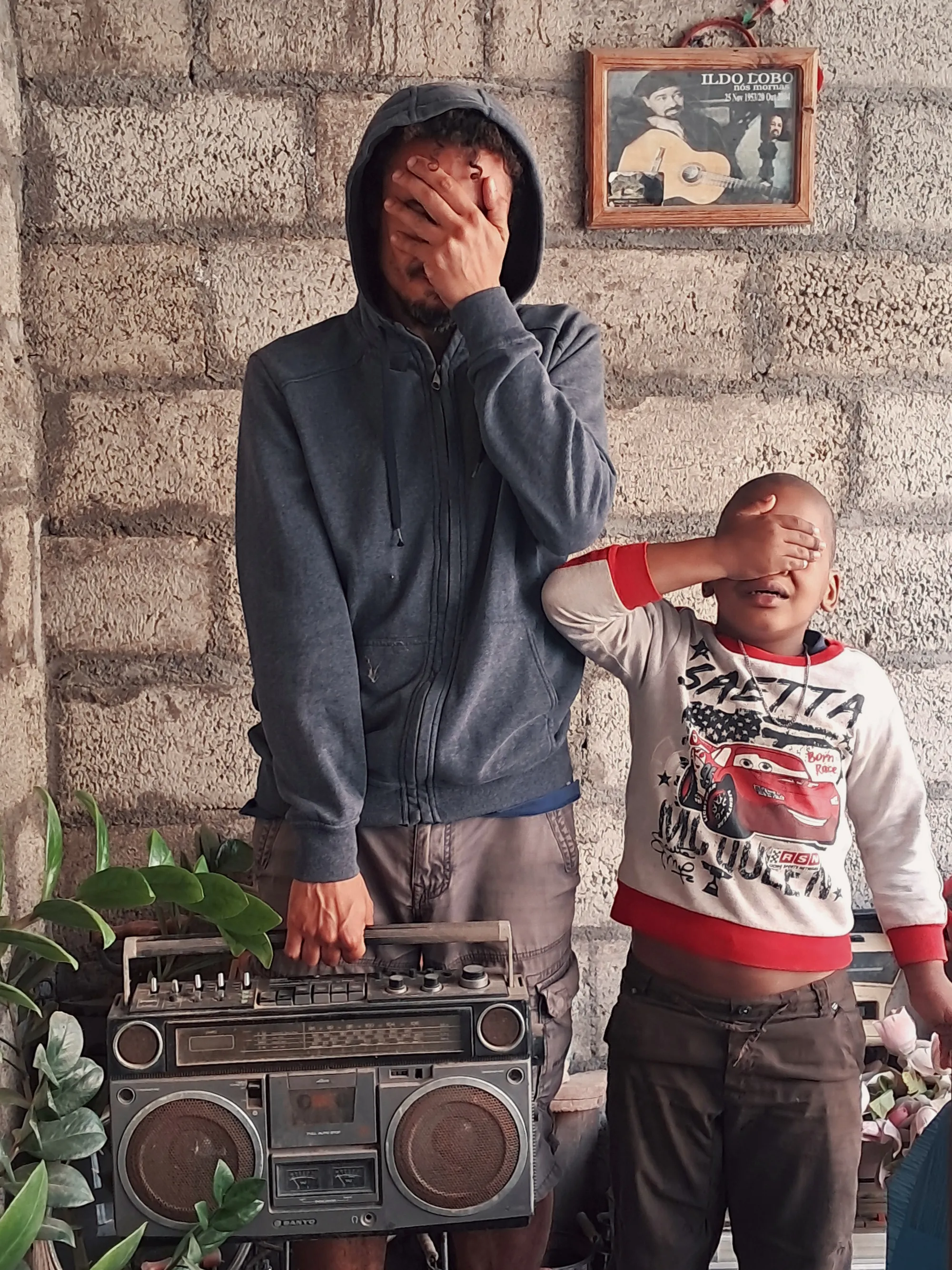
The third performance of Abril Febril, brought to you by the Fidju Kitxora collective, invites the audience to embark on a journey of constant transformation: from the heat of funaná and the groove of Semba to the syncopations of Kuduro and Afro-house, and unexpected fusions with field recordings, ethereal synths, vocal samples and powerful beats.

Fidju Kitxora
 is a collective born between Lisbon and Cape Verde, blending rhythms from the African diaspora. Their music is a journey of constant transformation: from the warmth of funaná to the groove of semba, from the syncopations of kuduro and afro-house to unexpected fusions with field recordings, ethereal synthesisers, vocal samples and powerful beats. 
The enigmatic nature of the project adds a captivating layer to their performances, where unpredictability and sonic exploration create an immersive experience. With their debut album Racodja (2024), Fidju Kitxora secured their place on the Portuguese music scene. They have since gained international recognition with a packed schedule of concerts in Portugal and abroad, including at renowned festivals such as Tallinn Music Week, Festival Sinsal (Vigo), FMM (Sines), Mercat de Música Viva de Vic, BAM Barcelona, and Transmusicales de Rennes and Eurosonic (Netherlands).


Admission is free.

Fidju Kitxora is a collective born between Lisbon and Cape Verde, blending rhythms from the African diaspora. Their music is a journey of constant transformation: from the warmth of funaná to the groove of semba, from the syncopations of kuduro and afro-house to unexpected fusions with field recordings, ethereal synthesisers, vocal samples and powerful beats. 
The enigmatic nature of the project adds a captivating layer to their performances, where unpredictability and sonic exploration create an immersive experience. With their debut album Racodja (2024), Fidju Kitxora secured their place on the Portuguese music scene. They have since gained international recognition with a packed schedule of concerts in Portugal and abroad, including at renowned festivals such as Tallinn Music Week, Festival Sinsal (Vigo), FMM (Sines), Mercat de Música Viva de Vic, BAM Barcelona, and Transmusicales de Rennes and Eurosonic (Netherlands).

Image: Fidju Kitxora

Saturday, 25 April, at 9 pm

Abril Febril: La Família Gitana

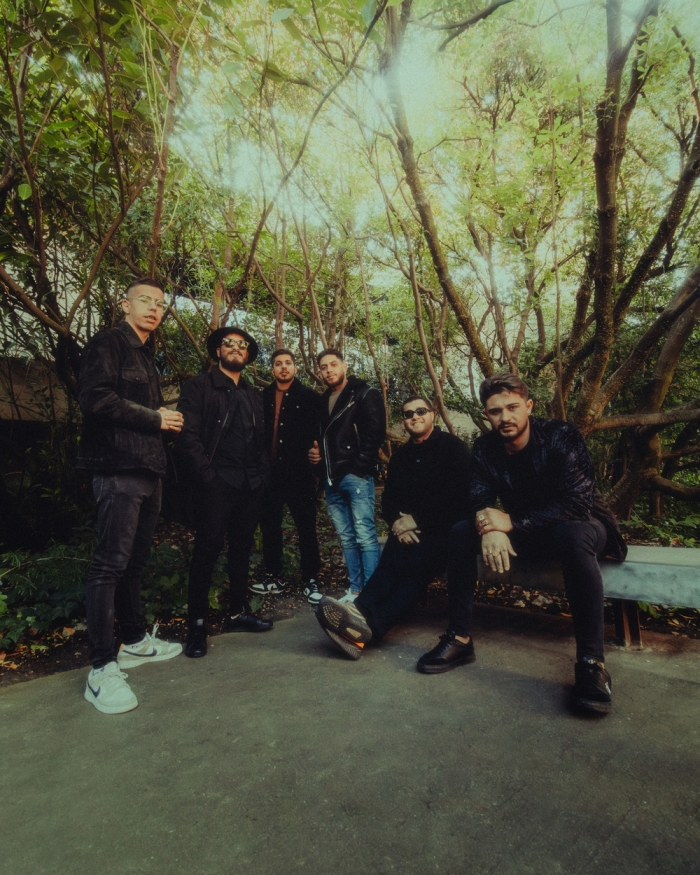
To bring Abril Febril to a close, the stage will be taken over by La Família Gitana, a group of young musicians from the Bairro do Fim do Mundo neighbourhood in Cascais. They are united not only by blood ties, but also by their pride in and passion for spreading Gypsy music, culture and tradition further afield.


Admission is free.

La Família Gitana are a group of young musicians from Bairro do Fim do Mundo, in Cascais. United by blood, they are also brought together by the pride and joy they take in carrying Romani music, culture and tradition further. Ari was the driving force behind this dream. His guitar was soon joined by Rui’s, followed by Hugo and BA on cajons, Ângelo on vocals and, more recently, Moisés on keyboards. Inspired by the legacy of their parents and uncles – with whom they frequently share the stage – they decided to turn moments of togetherness into gestures of sharing with wider audiences. 
Along the way, they have performed at several festivals. They have also collaborated with poet and artist António Poppe, which brought them to the Calouste Gulbenkian Foundation. La Família Gitana has forged a path that is grounded in tradition whilst also blending different cultural, artistic and social expressions, using the power of music to break down prejudices and bring people together.

Image: 
Filipe Gonçalves

Sign up our newsletter